Launches
Space Development Agency's satellites to launch from Vandenberg
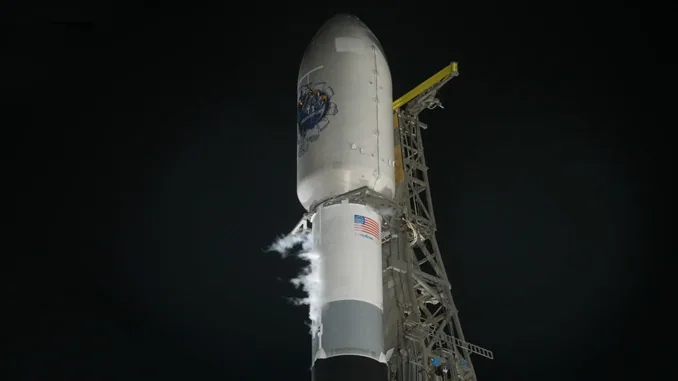
Space Development Agency's 21 satellites are set to launch on a Falcon 9 from Vandenberg. The mission is scheduled for 12:39 a.m. PDT.
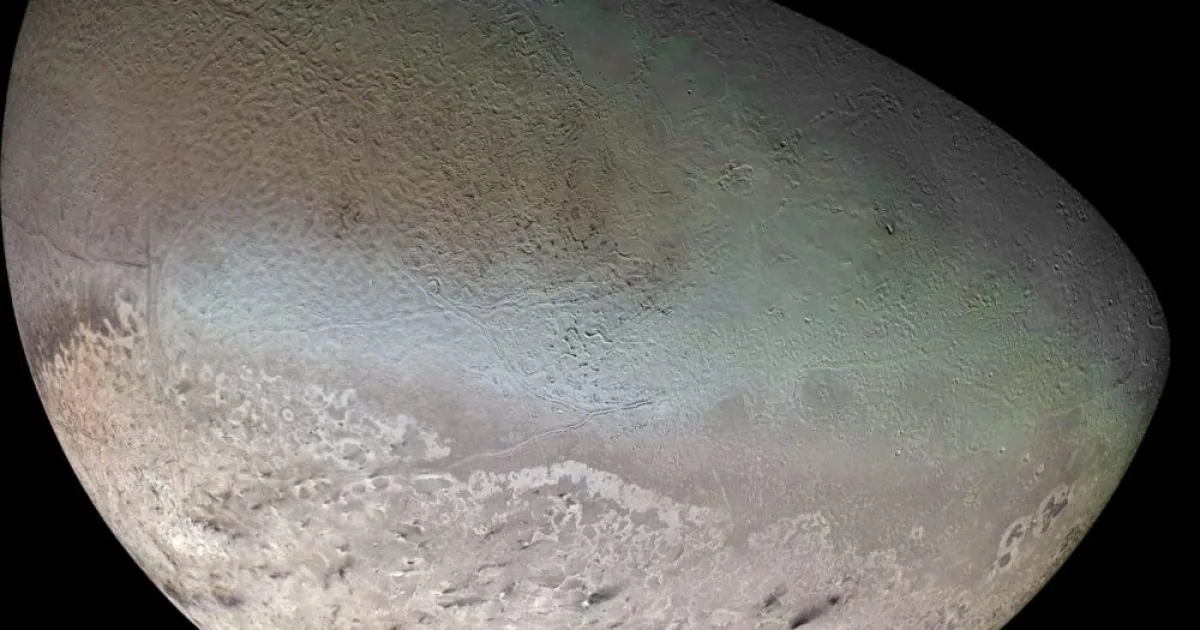
William Lassell found Triton on Oct. 10, 1846, using his 20-foot reflector in Liverpool. The moon of Neptune was identified through his telescope.
Why it matters: Astronomical discovery by a self-funded amateur highlights early observational capabilities.
Space Development Agency's 21 satellites are set to launch on a Falcon 9 from Vandenberg. The mission is scheduled for 12:39 a.m. PDT.
The James Webb Space Telescope detected water clouds on a Jupiter-sized planet 7.5 light-years away. The planet shows chemical complexity and cloud patterns similar to Earth.
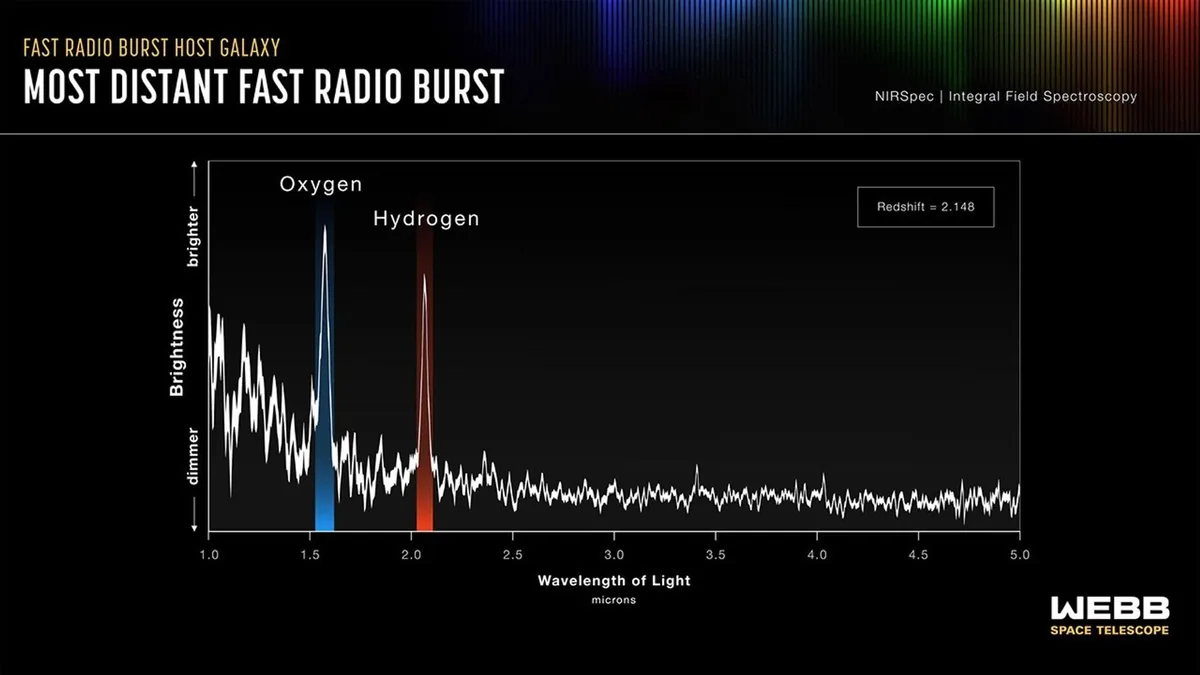
Astronomers used the James Webb Space Telescope to study a fast radio burst over 10 billion light-years away. The observation provides new insights into the nature of these brief, powerful signals.
Four astronauts landed on Earth after spending eight months aboard the International Space Station. The crew replaced a colleague who was unwell and remained in orbit.
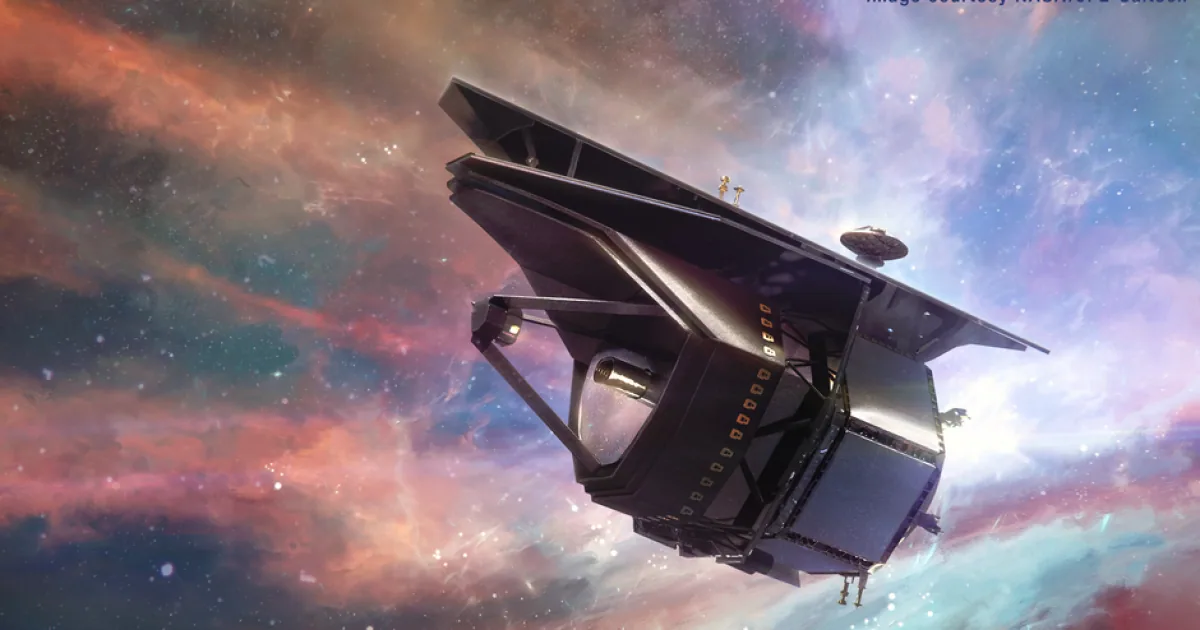
NASA has chosen the PRIMA mission for further development. The telescope will study the early universe using far-infrared light.
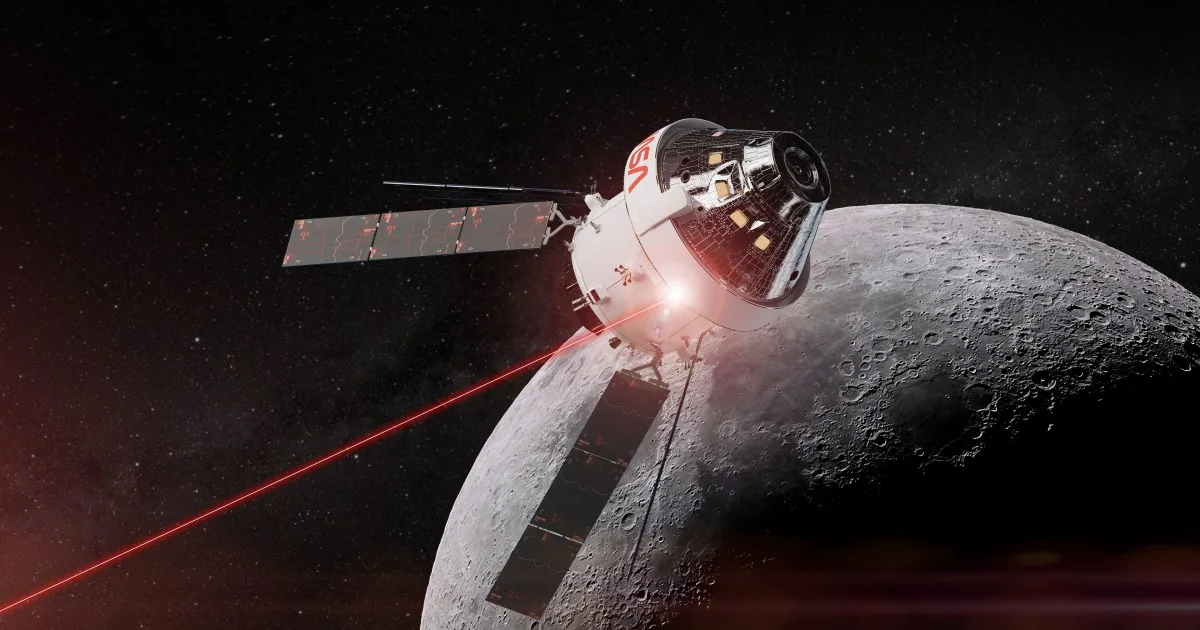
NASA's Artemis 2 mission has led to innovations now used in daily life. Memory foam, originally developed for space, is now common in furniture and medical gear.
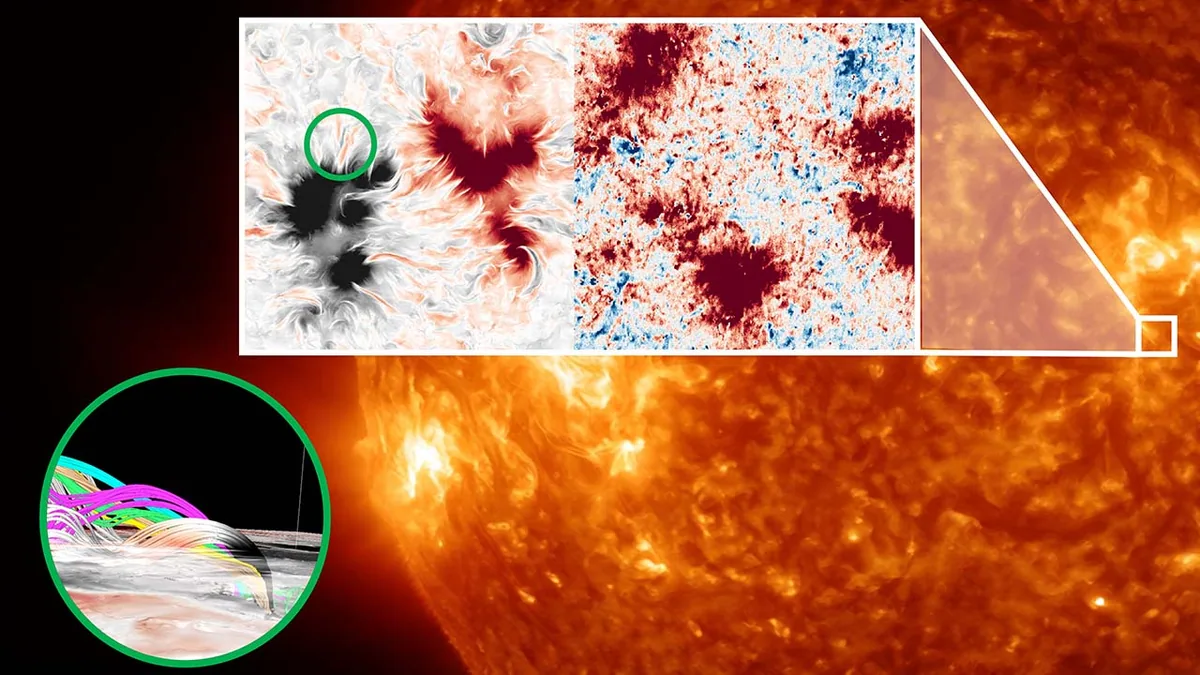
A balloon-borne telescope captured high-resolution solar images. The mission aims to study solar activity from above the atmosphere.
NASA has begun testing a new all-glass telescope for the LISA mission. The telescope is designed to detect gravitational waves in space.
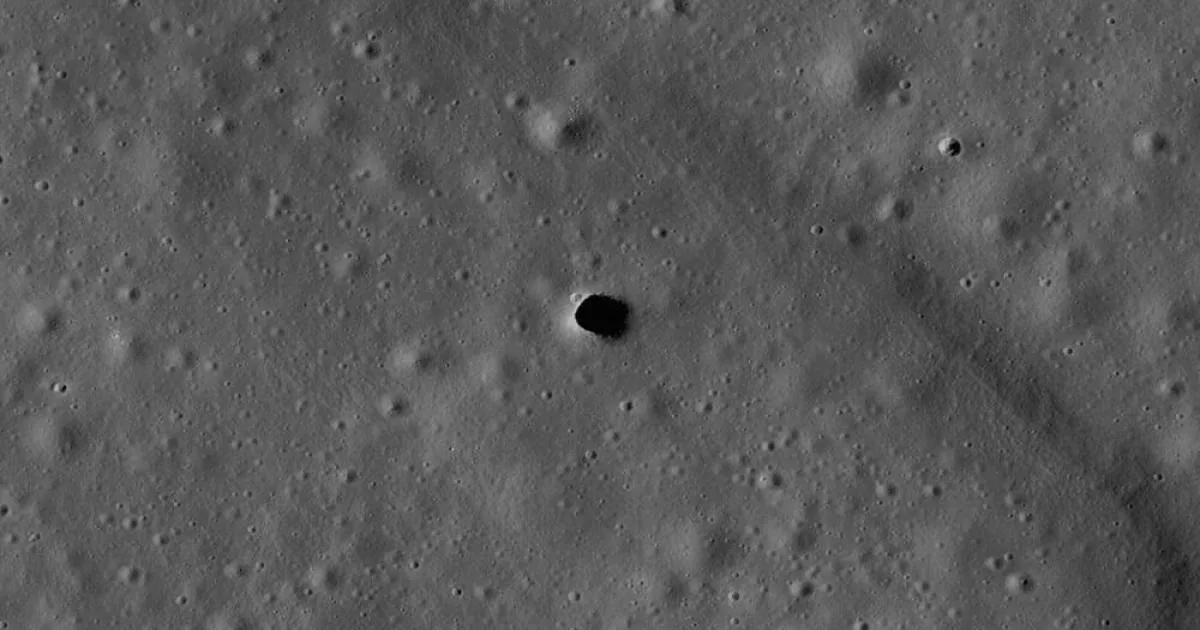
NASA has selected a mission to explore a lunar pit for hidden lava tubes. The target is the Marius Hills Pit, a large hole on the Moon.
NASA's SPHEREx telescope has identified water and methane in several brown dwarfs. The findings appear in The Astrophysical Journal.
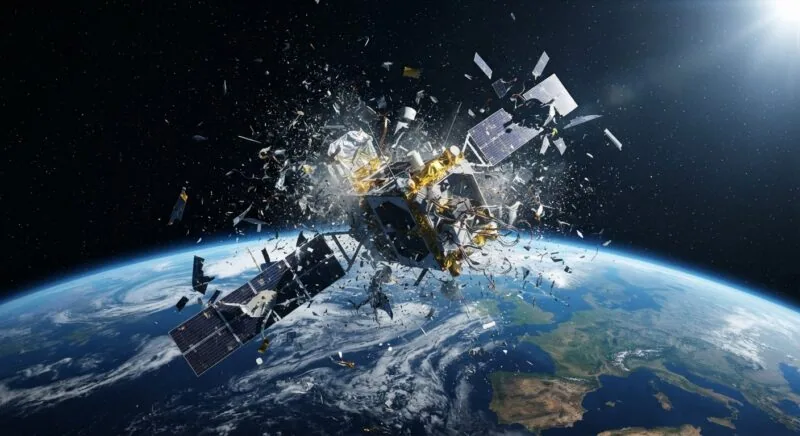
An inactive Soviet weather satellite disintegrated above Earth. The breakup added dozens of debris fragments to an already congested orbit.
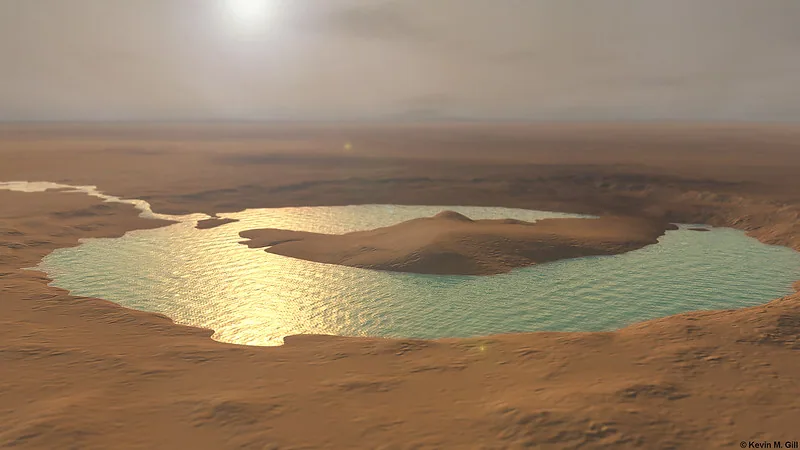
Ancient rains on Mars may have contained formaldehyde, which could have triggered chemical reactions needed for life. The study suggests this compound might have been present in the planet's early environment.
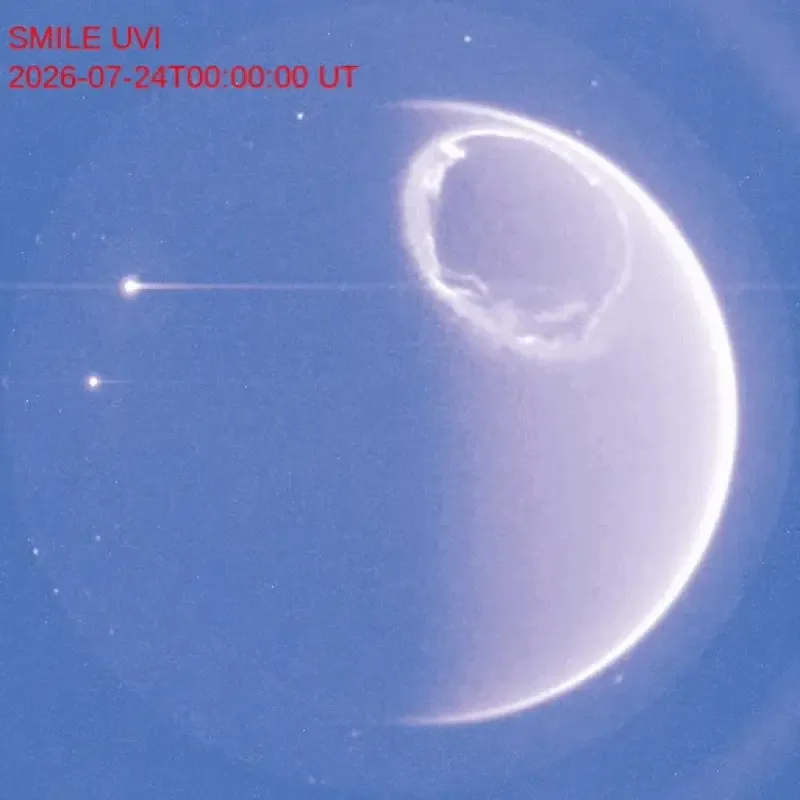
The Smile mission has released its first video of Earth's auroral oval at the North Pole. The footage shows vivid auroras in vivid detail.
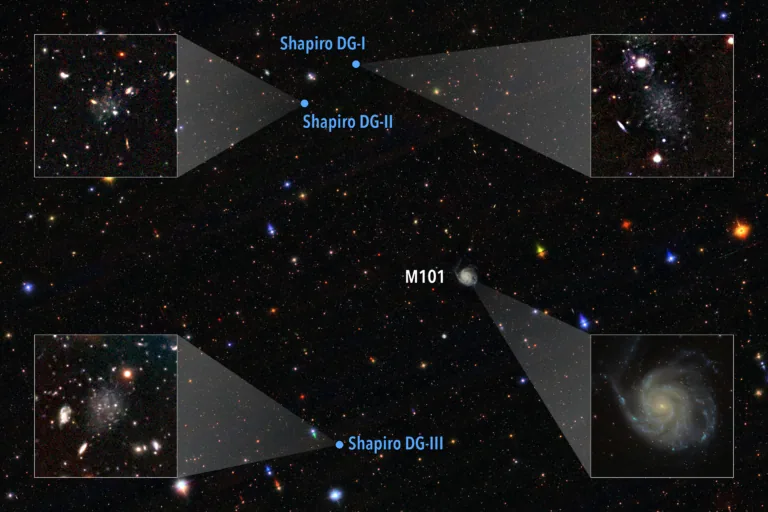
Julian Shapiro, a UC Berkeley student, discovered three dwarf galaxies that defy standard star formation rules. The galaxies are named after him, marking a rare honor for a young researcher.
The James Webb Space Telescope is observing debris disks around young stars. These disks may offer clues about the early solar system's formation. Scientists are comparing these systems to our own.
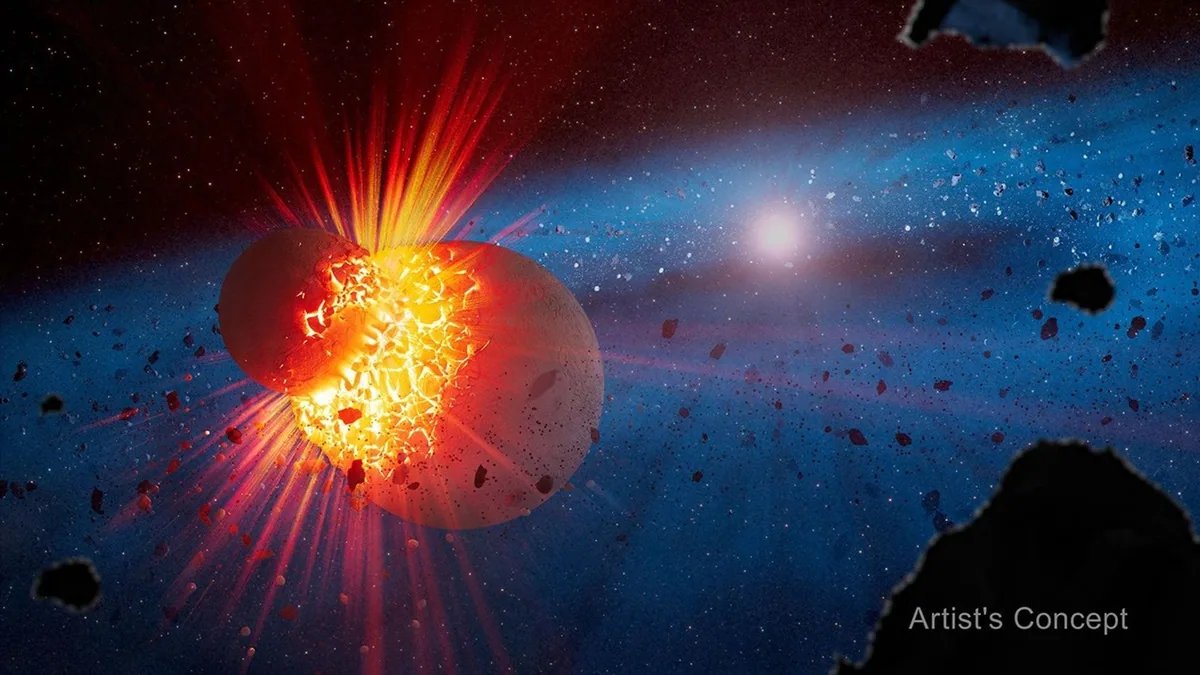
A waning crescent Moon will pass within 3 degrees of Jupiter on October 6, 2026, visible before dawn. The event will occur hours before the Moon occults Jupiter for viewers in North America.
The zodiacal light will be visible in the early morning of October 10. A New Moon occurs on October 9, creating darker skies for better visibility.
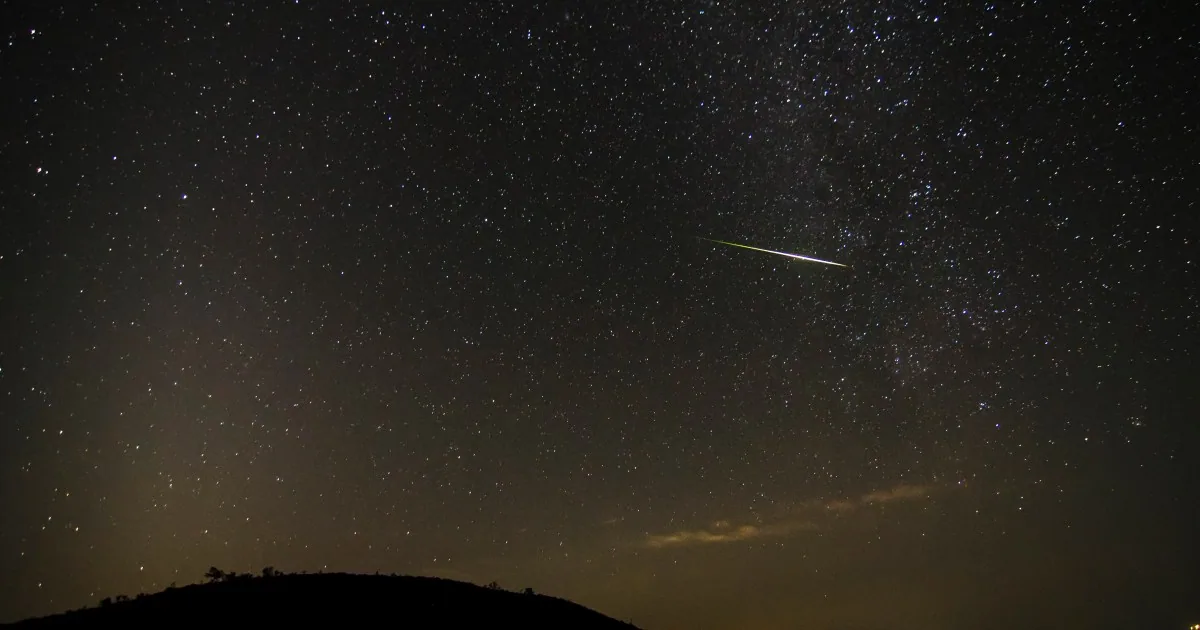
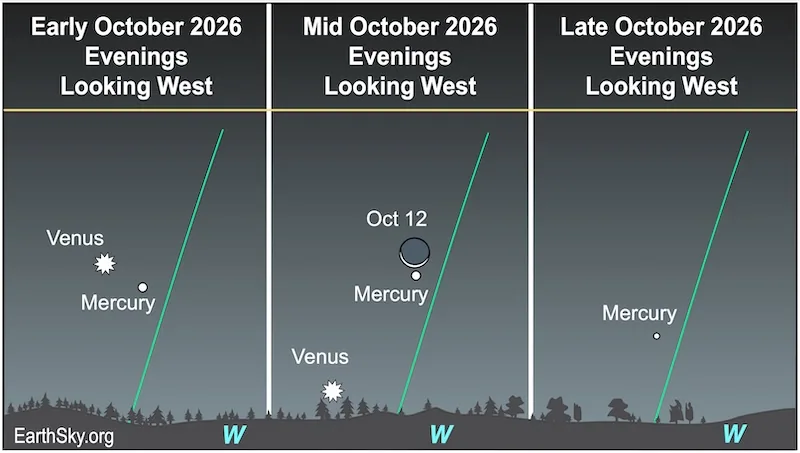
Mercury will be 25 degrees from the sun on October 12. The event occurs at 10 UTC and is visible shortly after sunset.
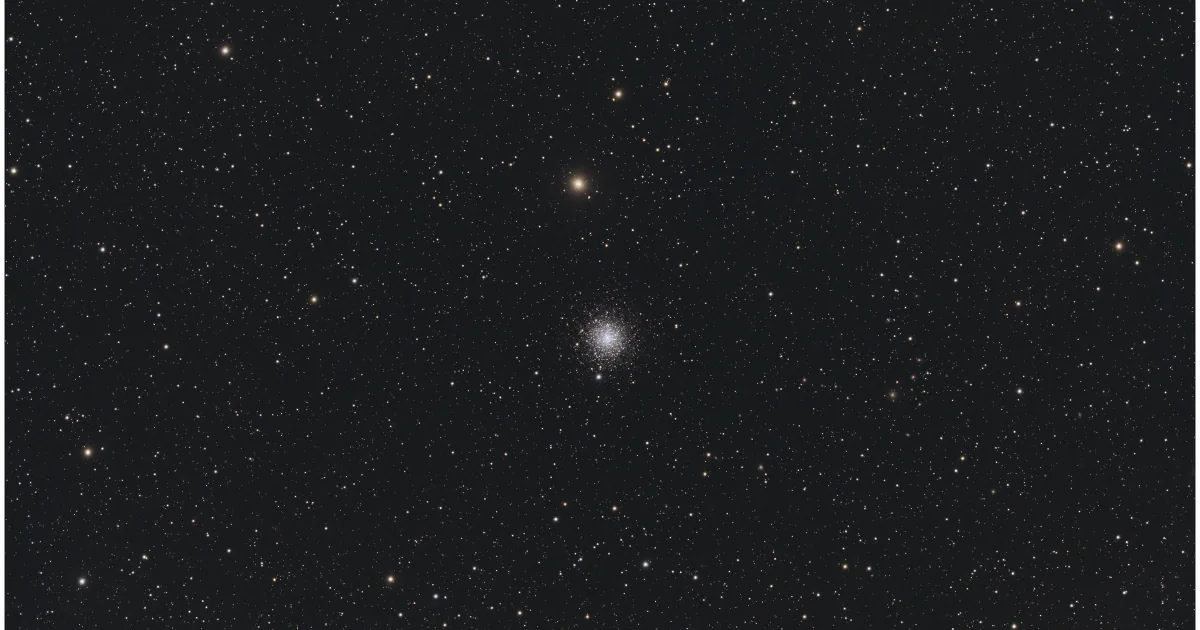
The globular cluster M30 is visible in the southern sky after dark on October 9. It is located in the constellation Capricornus.
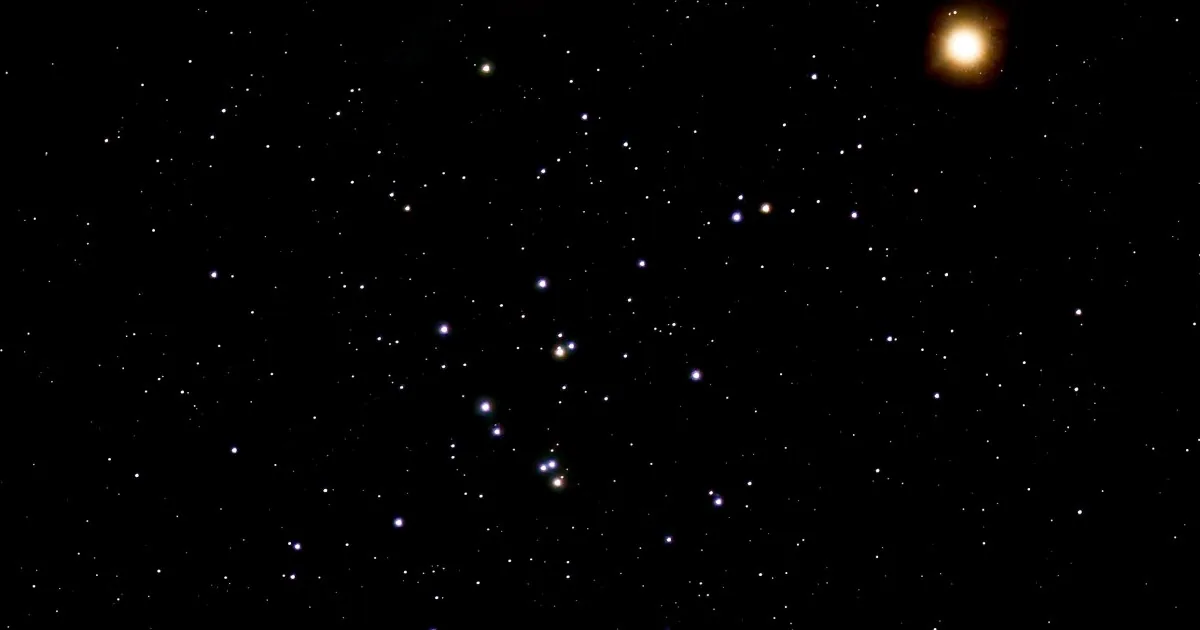
Mars will pass through the Beehive cluster on October 9. Observers should look north after sunset for Cassiopeia and the cluster.